Great service from start to finish. The team was professional, reliable, and very easy to work with. Communication was always clear, and they kept me informed throughout the entire process.
Solar control film, for heat and glare
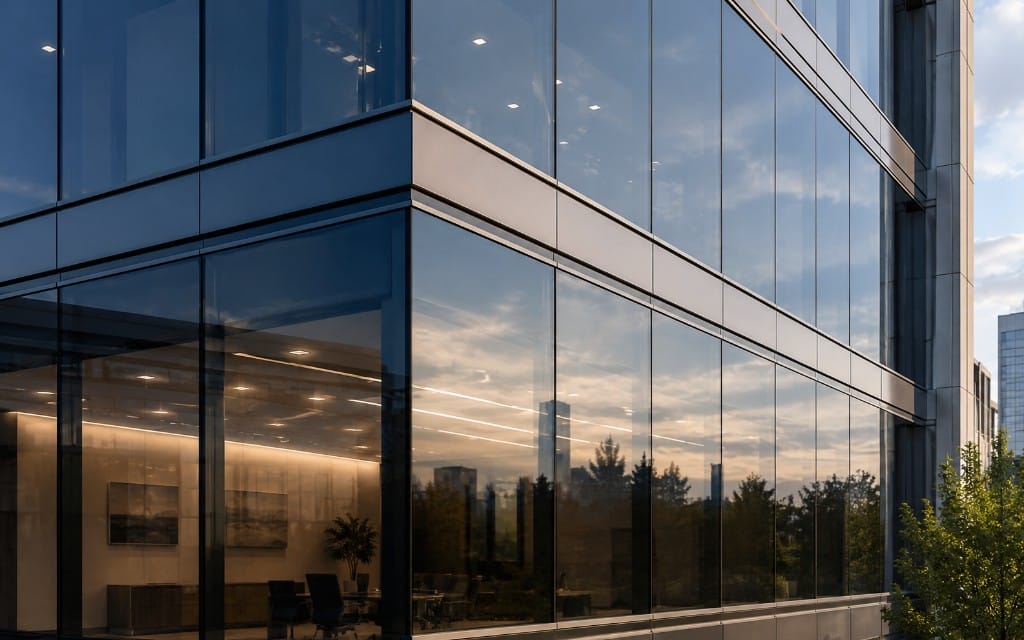
Film that reduces solar heat gain, screen glare, and UV through your existing glass, without making the space dark.
See all window film solutions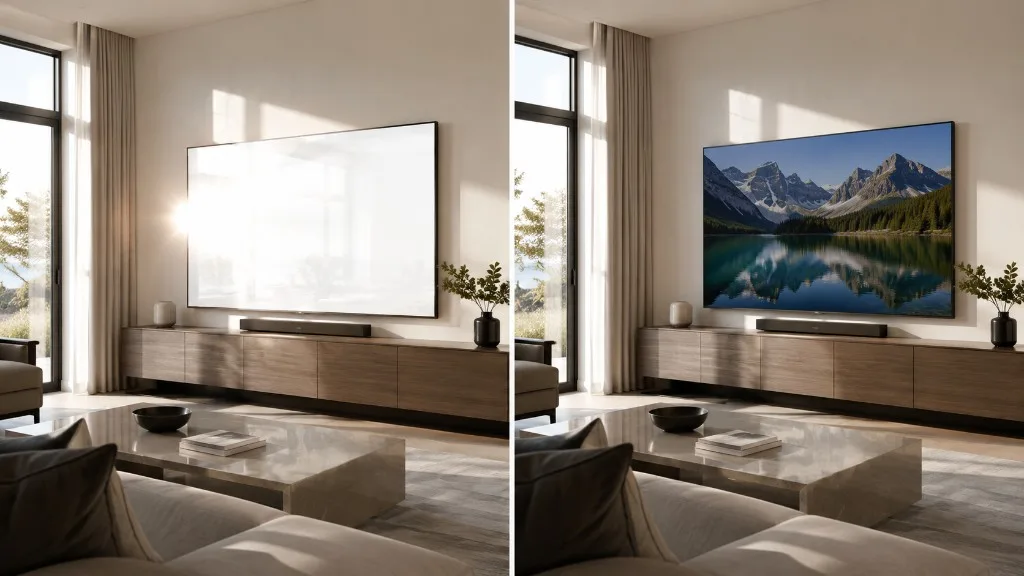
Overview
Solar control film addresses the three things large glass does badly in summer: it lets in heat, it throws glare across screens and work surfaces, and it passes UV that fades everything in the room. The film reflects and absorbs a portion of the solar energy before it enters, which lowers peak room temperature and reduces the load on air conditioning. Modern spectrally selective films do this while staying close to clear, so the space keeps its daylight and its view. The right specification depends on the orientation of the glass, since a west facing elevation has a very different problem from a north facing one.
Best for
- Offices and commercial spaces with large glass areas
- South and west facing rooms that overheat in the afternoon
- Workstations and screens affected by glare
- Spaces where air conditioning struggles or runs constantly in summer
- Retail and residential interiors where fading is a concern
What it solves
- Afternoon overheating in sun exposed rooms
- Glare on screens, boards, and work surfaces
- Fading of floors, furnishings, artwork, and merchandise
- Cooling costs and uneven temperature between rooms
- Hot spots near glass that make part of a space unusable
What to know
- Performance depends on glazing orientation and the full glass assembly, not the film alone. West and south elevations see the largest gains.
- Solar film can cut heat substantially without heavily darkening the space. The tradeoff is clarity versus total solar rejection, and it is a real choice, not a marketing distinction.
- 99% UV rejection applies across the range regardless of how light or dark the film is. UV protection does not require a dark film.
- On double glazed and low-E units, the existing assembly affects what film can be specified safely. We read the glass on site before recommending.
- For privacy in addition to solar control, see privacy window film. Reflective privacy films deliver both.
Specifying the film
Product types to consider
Start here before the SKU level. These are the categories we use to narrow the right XPEL film.
Spectrally selective, high clarity
Rejects heat and infrared while keeping maximum natural light and a near clear appearance. Specified where the view and the daylight must stay intact.
Neutral tinted
More total solar rejection and stronger glare control, with visible darkening. Specified where comfort outweighs light transmission.
XPEL examples we specify
Published performance data from XPEL VISION. Exact results depend on glass, orientation, and the full glazing assembly.
Clear View Plus 70 (XVCVP70)
72% VLT, 55% total solar energy rejected, 94% IR rejection, 99% UV rejection, 20% glare reduction.
Heat control while the glass stays near clear. The specification when the view cannot change.
In plain terms: you will not be able to tell it is there. The glass looks the same and the room stays bright. It just stops heating up.
Daylight 28 (XVNDAY28)
25% VLT, 64% total solar energy rejected, 99% UV rejection, 74% glare reduction.
When heat and glare are the priority and some darkening is acceptable.
In plain terms: noticeably tinted, and the difference is obvious the day it goes on. Specified when heat and glare are the priority and some light reduction is acceptable.
Compare the four families
Solar film against the other three
Solar control is one of four families we install, and buyers comparing them are usually weighing the same four properties. This is where each family lands, using one representative product from each so the comparison is like for like. The tradeoff to watch is the visible light column against the heat column.
| Film family | Representative product | Visible light | Solar heat | Glare | Privacy effect |
|---|---|---|---|---|---|
| Privacy | Evening View 5 | 8% | 81%rejected | 92%reduction | Strong, daytime only. Reverses after dark. |
| Solar control | Clear View Plus 70 | 72% | 55%rejected | 20%reduction | None. The glass stays near clear. |
| Security | Security Clear 8mil | 89% | Not a solar product | Not rated | None. Fully transparent. |
| Frosted and decorative | White Frost | 65% | 33%rejected | 28%reduction | Constant, day and night. No view out. |
Nominal values from XPEL VISION published data on 1/8 inch (3mm) glass. Shown to compare families, not as a performance guarantee. Every family carries lighter and darker options than the single product listed here.
Specification and install
Specifying and installing solar control film
Read the glass before specifying the film
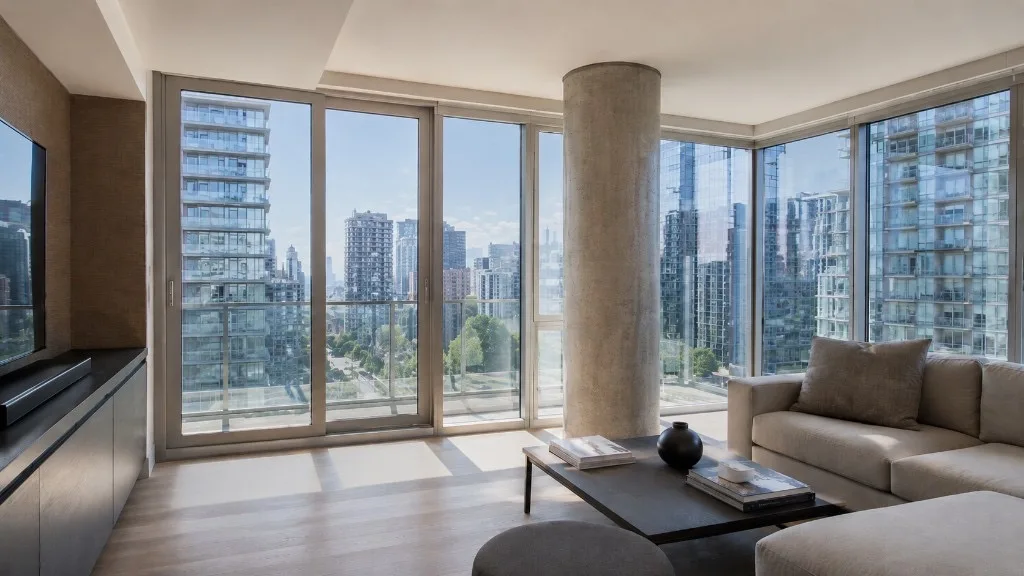
Solar film is the family where the existing assembly matters most, because the film and the glass work as one system. Single pane, double glazed, tempered, laminated, and low-E coated glass each behave differently under an absorbing film.
Thermal stress is the real constraint. A film that absorbs solar energy raises the temperature of the pane it is bonded to, and on a sealed double glazed unit that is already absorbing heat, the added load is what cracks glass or stresses the perimeter seal. The risk climbs with dark films, large panes, partial shading across a single lite, and heavy interior blinds trapping heat against the glass. Manufacturers publish which products are cleared for which assemblies and we specify inside that.
Low-E coatings complicate it further, because the coating is already doing part of the job the film would do. Adding a strong solar film to a good low-E unit can deliver much less than the published numbers suggest while adding the full thermal load. We read the glass on site rather than assuming.
Specify per elevation, not per building
One film across an entire building is the most common error in solar specification, and it is the most expensive one, because you overpay on the elevations that did not need it and under perform on the one that did.
West facing glass is the priority. Late afternoon sun sits low and enters almost horizontally, which is the worst possible angle for glare on screens and for heat, and it arrives when the space has already been warming all day. Peak cooling load in most Montreal offices is a west elevation problem.
South facing glass carries the highest total annual solar load, but the summer sun is high enough that less energy comes straight through the opening than people expect. That same exposure is a winter asset in this climate, warming the space when heating is running, which argues for a spectrally selective film that cuts heat without killing the daylight.
East facing glass produces sharp morning glare with far less accumulated heat, so it is often a glare specification rather than a heat one. North facing glass gets effectively no direct solar gain. Putting solar film on a north elevation is spending money the exposure will never return, and that glass is better specified for privacy, UV, or security if it needs anything at all.
Interior layout modifies all of it. A trading desk or a wall of monitors against east glass justifies more glare control than the elevation alone would suggest.
The clarity against performance decision
This is the one real choice in solar film and it is worth understanding before you see a quote. A spectrally selective film targets the infrared part of the spectrum, which is where most of the heat is, while letting visible light through. That is how a film at around 72% visible light still rejects the majority of total solar energy and nearly all infrared.
A tinted film rejects more total solar energy but does it partly by cutting visible light, which is why it darkens the room and delivers much stronger glare reduction. If glare on screens is the actual complaint, that darkening is the point rather than a side effect.
So the question is not which film is better. It is whether the space is failing on heat, on glare, or on both. Heat alone points to high clarity. Glare, or glare plus heat, justifies going darker. Rooms where the view is the reason the tenant signed the lease point back to clarity almost regardless of the heat numbers.
What the installation actually involves
Film is applied to the interior face of the glass. The glass is scraped and cleaned first, because anything left on the surface, mineral deposits, paint flecks, adhesive from an older film, will read as a defect through the film. Preparation is most of the labour.
Application is wet. A slip solution lets the film be positioned before it is squeegeed down, so expect water on the glass, the sill, and the sheeting below. Desks, equipment, and furnishings within about a metre of the glass need to be moved and blinds taken down or lifted clear.
Film is trimmed to a small deliberate gap at the edge of the glass rather than butted to the frame. The gap is correct. It lets residual moisture out and keeps the edge from lifting later.
For the first few weeks the film may look slightly hazy or show small water pockets while it cures, which takes longer in cold months. Do not clean it during that period. Afterwards, use a soft cloth with mild soap or a non ammonia cleaner, never ammonia or abrasive pads.
What to settle before you buy
Be specific about the complaint. A room that is uncomfortable at three in the afternoon in July is a heat problem. Screens that are unreadable at nine in the morning are a glare problem on an east elevation. Furnishings fading is a UV problem, and UV is rejected at 99% across the range regardless of how light or dark the film is, so fading alone never justifies a dark product.
Set expectations on energy savings honestly. Solar film reduces cooling load and evens out temperature between the glass line and the interior, which is where occupants notice it. In a heating dominated climate like Montreal the annual bill effect is real but modest, and any supplier presenting a precise payback figure without modelling your building is making it up.
Confirm your glazing warranty position and any exterior appearance rules in the lease or the condo declaration before ordering. Solar films are less often restricted than mirrored privacy films, but reflective finishes still get flagged.
What shapes the quote
How a solar film quote is built
There is no catalogue rate for architectural film, and a number given before anyone has seen the glass is a guess. A real quote comes from measuring the openings, identifying the glass, and specifying a product per elevation against what the space actually needs. What follows is what moves the total, so you can read a quote and understand why it says what it says.
What drives the variation
Glass area and pane count
Total area sets the baseline, but the number of separate panes matters just as much. A curtain wall of large lites installs faster per square foot than the same area split into many small divided ones, because every pane is measured, cut, positioned, and squeegeed on its own.
The film specified
Material cost varies widely. Spectrally selective films that hold high clarity while rejecting infrared are the more expensive end of the solar range, and conventional tinted films sit below them. Specifying different products per elevation usually costs less overall than putting the premium film everywhere.
Access and working height
Glass reachable from the floor is the straightforward case. Anything needing ladders, scaffold, or a lift adds time and equipment. Atrium glazing, stairwell glass, tall storefront headers, and anything above a fixed obstruction are where this shows up.
Condition of the existing glass
Old film that has to come off first is the largest single variable we encounter, and on solar retrofits it is common, because the building has usually tried film before. Aged adhesive is slow to remove and the glass has to be brought back to properly clean before new film goes on.
Occupancy and scheduling
Daytime work in vacant space is the cheapest case. After hours, weekend, or phased floor by floor work to keep tenants operating costs more, because the schedule is dictating the labour. Occupied office floors almost always fall into this category.
Site logistics
Downtown addresses with no loading dock, booked elevator windows, security escorts, or restricted street parking add time before any film is touched. A suburban ground level site with direct access does not.
We do not quote by the square foot over the phone. You get a fixed price for a defined scope after the glass has been measured and identified, itemised by elevation so you can see where the cost sits, drop the elevations that do not need film, and phase the rest if you would rather stage it.
Questions
Common questions about solar control film
The questions we are actually asked on site visits, answered directly.
- How much heat does solar film actually block?
- It depends on the product. The near clear films we specify reject just over half of total solar energy, and the tinted ones reach into the mid sixties. Infrared rejection runs higher still. Published values assume 3mm glass, so your assembly changes the real figure.
- Will solar film make the space dark?
- Not necessarily. A spectrally selective film holds around 72% visible light while still cutting most solar heat. Darkening is a choice you make for glare control, not a requirement for heat rejection. That tradeoff is the main decision in the specification.
- How is solar film quoted?
- Per project, not from a rate card. Glass area, the film specified, access, occupancy, and the condition of the existing glass all move the number. We measure on site and issue a fixed price, itemised by elevation, before anything is scheduled.
- How long does solar film last?
- Interior film on vertical architectural glass generally holds up well beyond a decade, and XPEL carries a manufacturer warranty on the products we install. West and south elevations work harder than north ones, so exposure affects real service life.
- Can solar film crack my windows?
- It can if the wrong film goes on the wrong assembly. Absorbing films raise pane temperature, and sealed double glazed units have a limit. Risk rises with dark films, large panes, partial shading, and heavy blinds. Specifying inside the manufacturer's cleared combinations is what prevents it.
- Does solar film help in winter?
- Slightly, but do not buy it for that. Film reduces radiant heat loss through glass a little, and some products are specified partly for comfort near glazing. In Montreal the measurable gain is on the summer cooling side, and south glass is a winter asset worth preserving.
- Do I need building or condo approval?
- Often yes. Condo declarations and commercial leases regularly regulate exterior appearance. Neutral and near clear solar films are approved more readily than reflective finishes, but confirm with the syndicate or the landlord and get a sample approved before the order is placed.
- How long does installation take?
- A condo or small office usually finishes within a day. Glass needs to be clear for about a metre and the area stays wet during application. Full office floors are scheduled by elevation, after hours where occupancy requires it, and phased across evenings.
Reviews
What clients say on Google
5.0out of 5
23 Google reviews
Rated 5.0 out of 5 from 23 Google reviews.
Excellent service from Privé Window Films! The team was professional, knowledgeable, and paid great attention to detail throughout the installation. The finished result looks fantastic, and the added privacy and heat reduction have made a noticeable difference. Thanks again guys!
Reviews come from our Google Business Profile and appear as Google returns them, most relevant first. We do not select, edit, or reorder them.
Read all reviews on GoogleBest spaces
- Offices and commercial
- Condos and residential
- Storefronts and glazed spaces
- West and south facing elevations
Get a film recommendation for your glass
Tell us the space, the orientation, and what you need the glass to do. We specify the film and quote the install.
Values from XPEL VISION published data, tested on 1/8 inch (3mm) glass. Nominal and for guidance. Exact results depend on the product specified and the glazing assembly.